
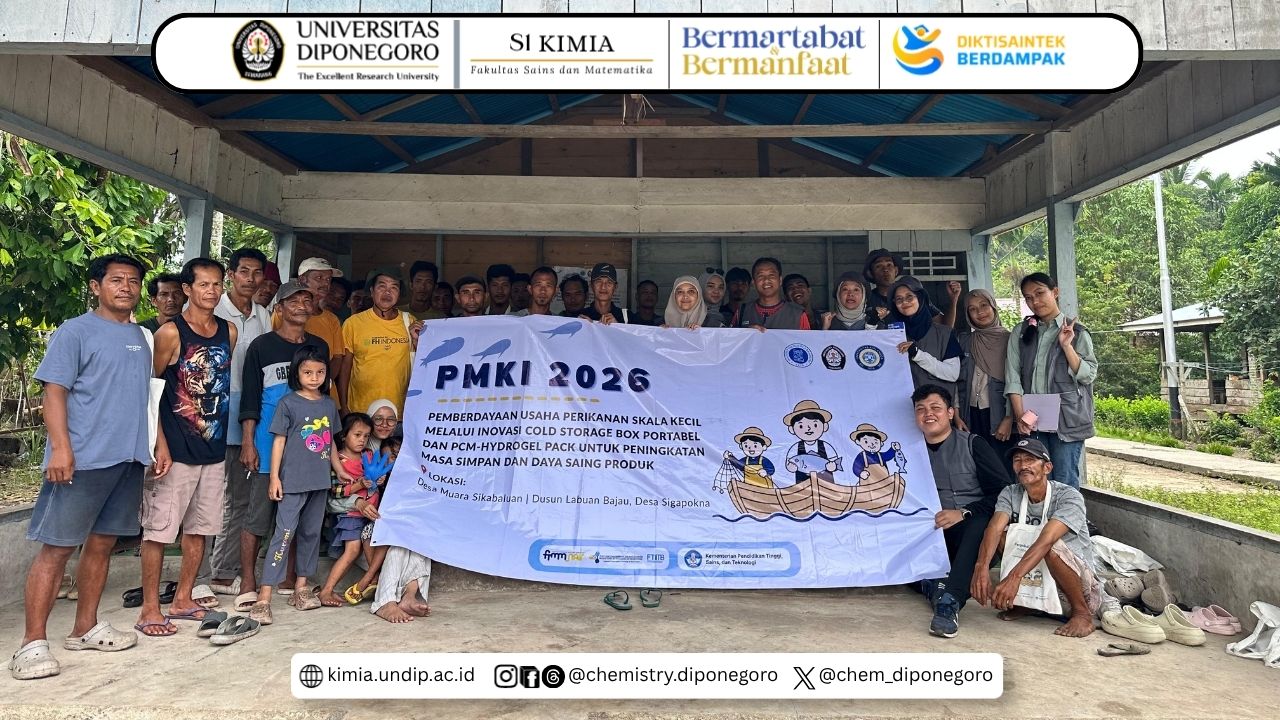
MENTAWAI, WEST SUMATRA – Community engagement provides an important platform for university lecturers to bring academic knowledge and research closer to real-world challenges faced by local communities. This commitment was demonstrated by Nor Basid Adiwibawa Prasetya, S.Si., M.Sc., Ph.D., a lecturer at the Department of Chemistry, Faculty of Science and Mathematics, Universitas Diponegoro (UNDIP), through his participation in the 2026 Indonesian Collaborative Community Service Program (PMKI) in the Mentawai Islands, West Sumatra.
The program was conducted on August 11–12, 2026, in Muara Sikabaluan Village, North Siberut District, and North Labuan Bajau and South Labuan Bajau Hamlets, Sigapokna Village, West Siberut District, Mentawai Islands Regency. Approximately 60 fishermen from the two locations participated in the activities.
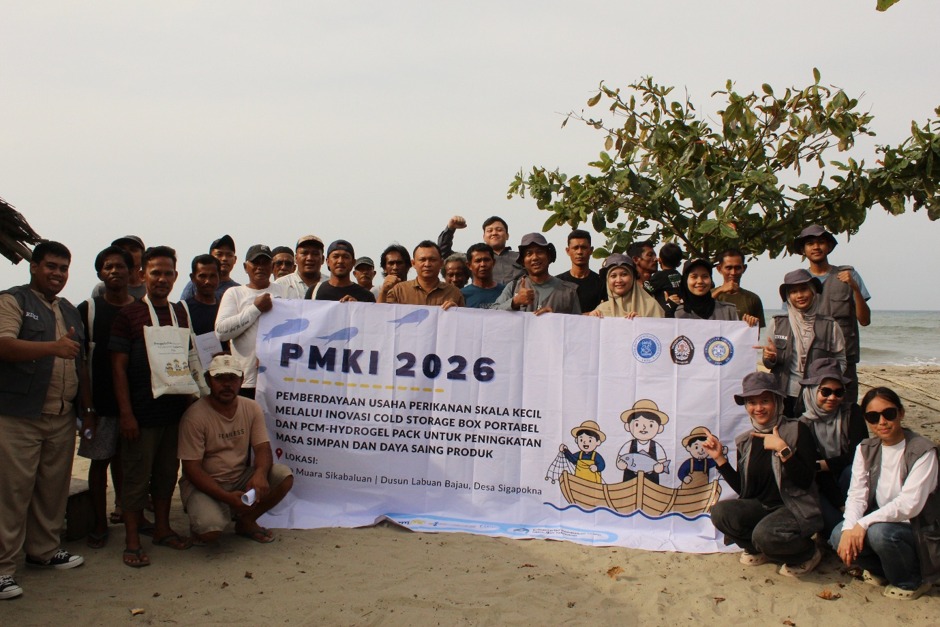
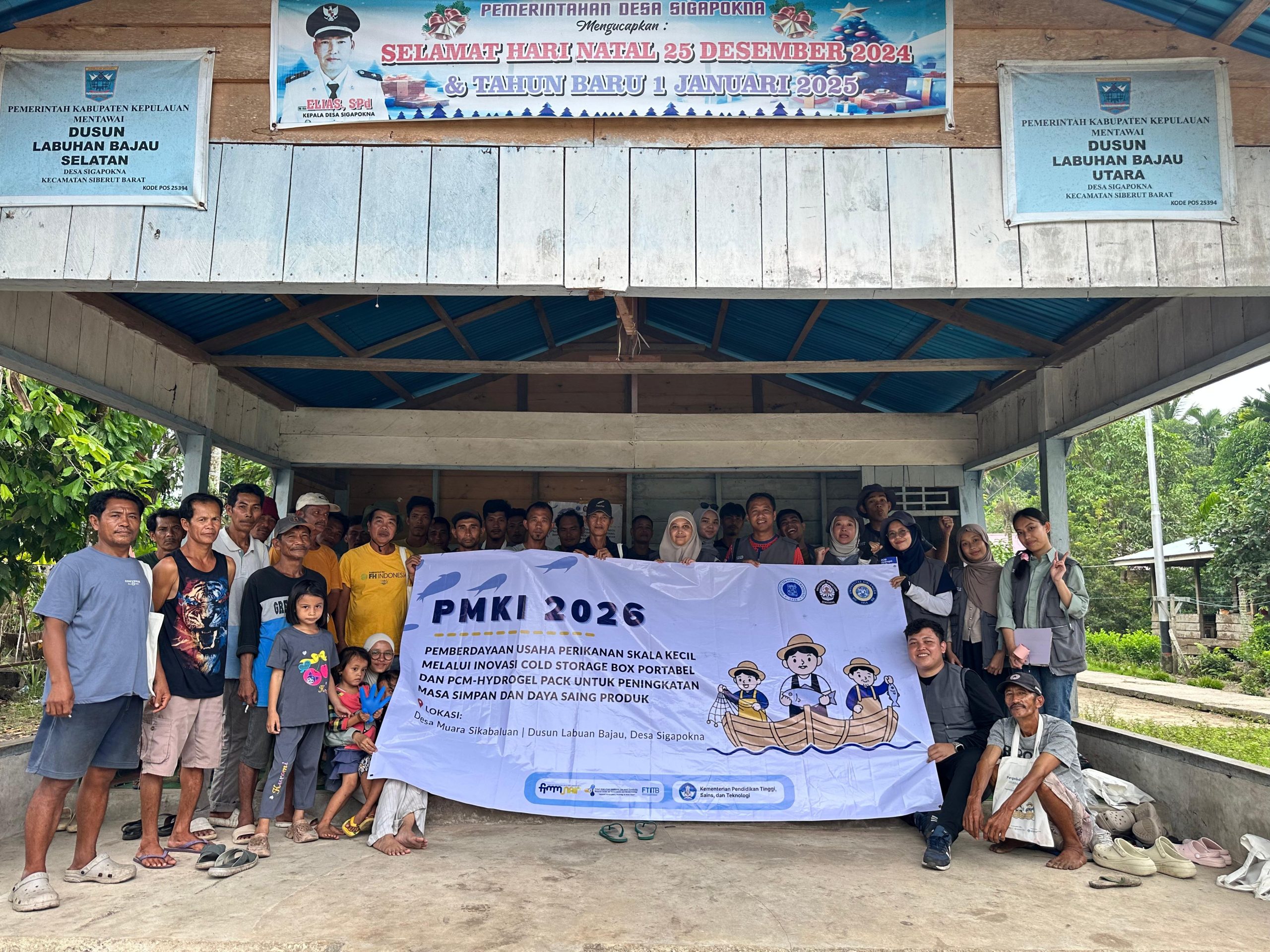
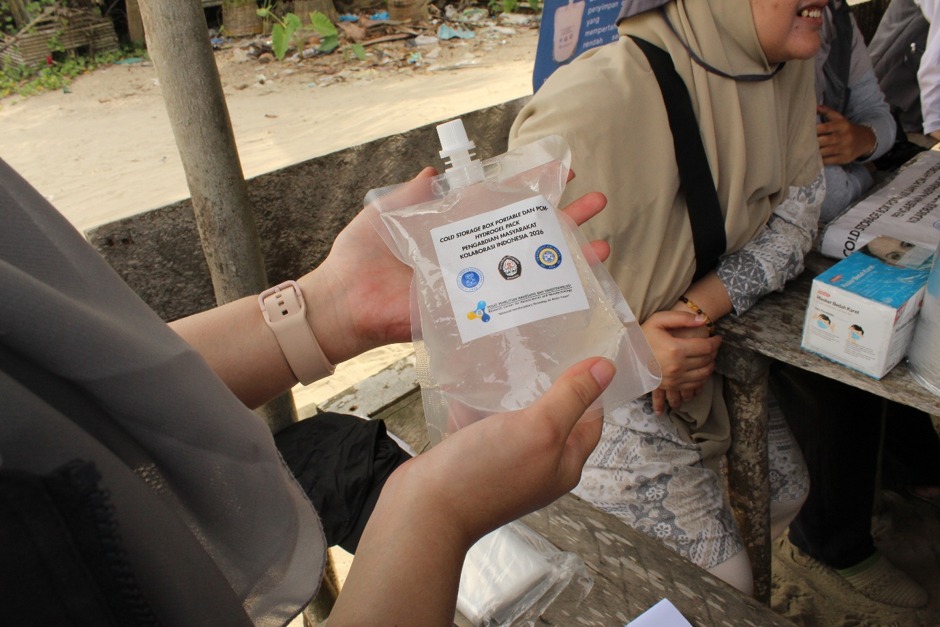
Community service activities with representatives of fishermen’s groups in Muara Sikabaluan Village, North Siberut District (left), and Sigapokna Village, West Siberut District (right), Mentawai Islands, West Sumatra.
Dr. Nor Basid joined a collaborative team from Institut Teknologi Bandung (ITB) and Universitas Airlangga (UNAIR) to introduce a portable cold storage box technology based on Phase Change Materials (PCM) and PCM-Hydrogel Packs. The technology is designed to help fishermen maintain the quality of their catch by keeping fish at low temperatures for longer periods during storage and distribution.
Importantly, Dr. Nor Basid did not participate alone. He also involved two 2024 students from the Department of Chemistry, UNDIP, Muhammad Yusuf and Syerafina Caesari Putrie. The students took part in various stages of the program, from preparing equipment and materials to assisting local fishermen during hands-on demonstrations of the cooling components.
Bringing Materials Science to Real-World Challenges
The technology introduced during the program utilizes PCM panels and PCM-Hydrogel Packs as thermal energy storage media to help maintain a stable low temperature inside the cold storage box. By extending the cooling period, the technology is expected to help preserve the quality of fish during storage and transportation.
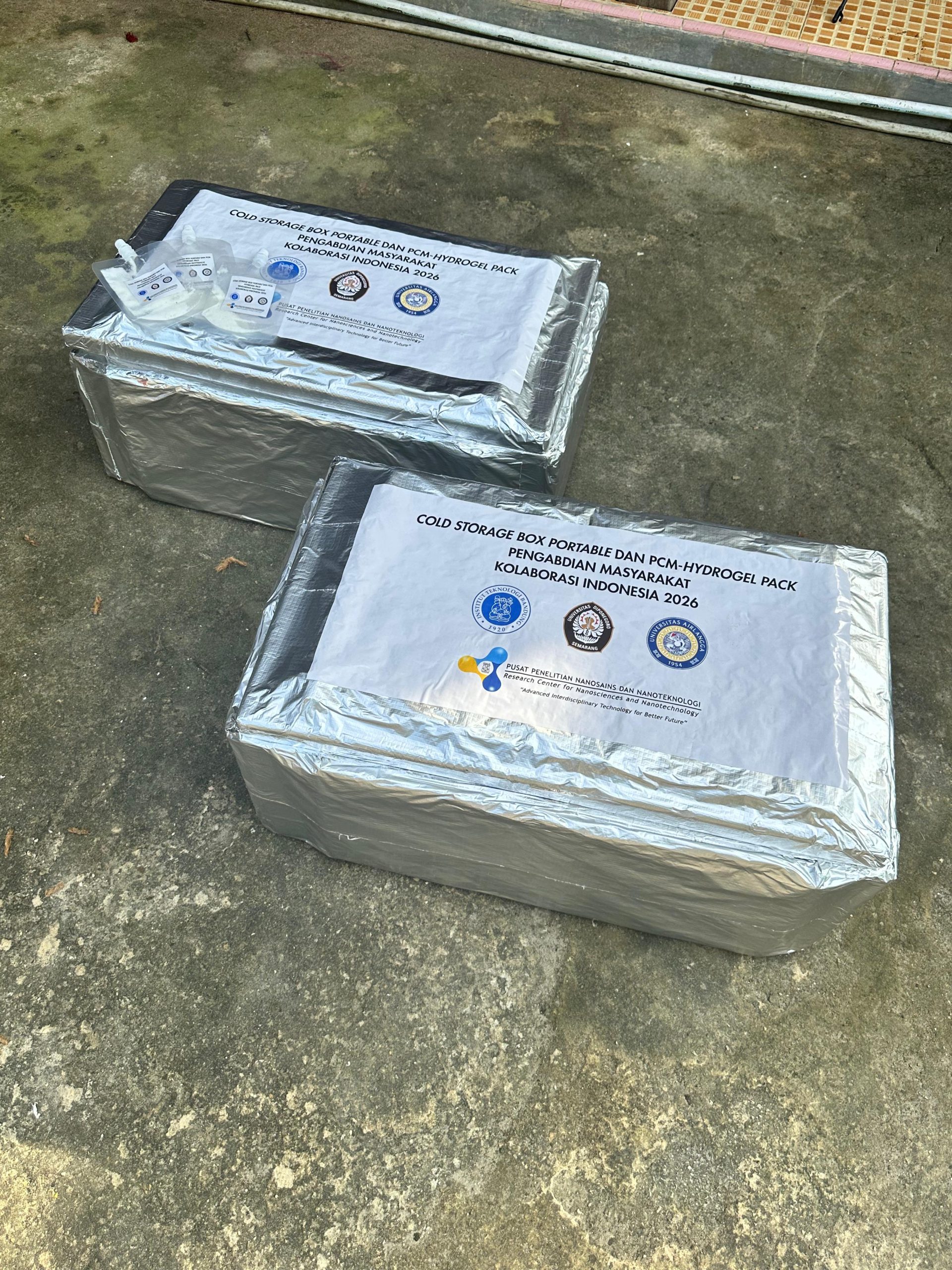
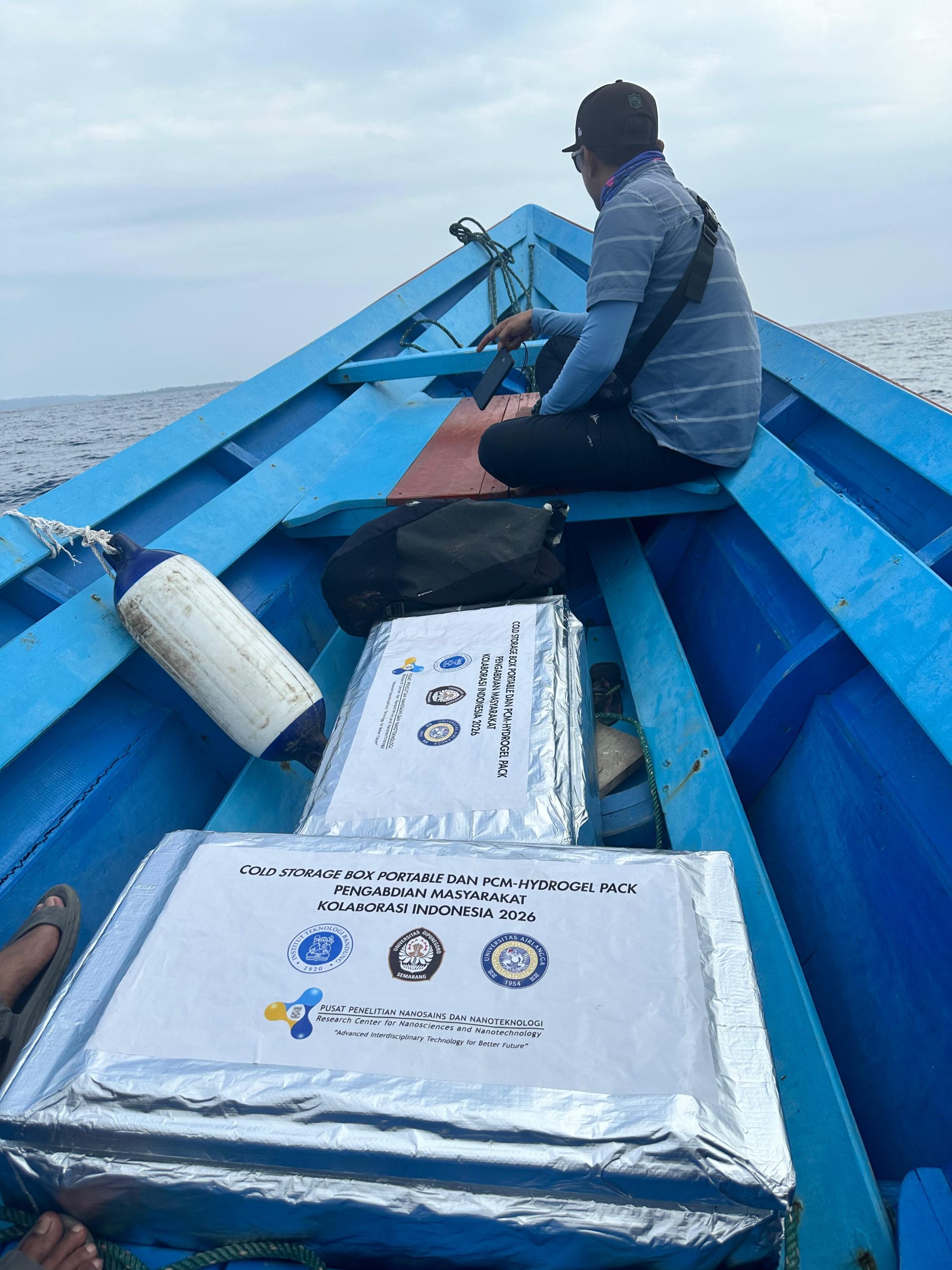
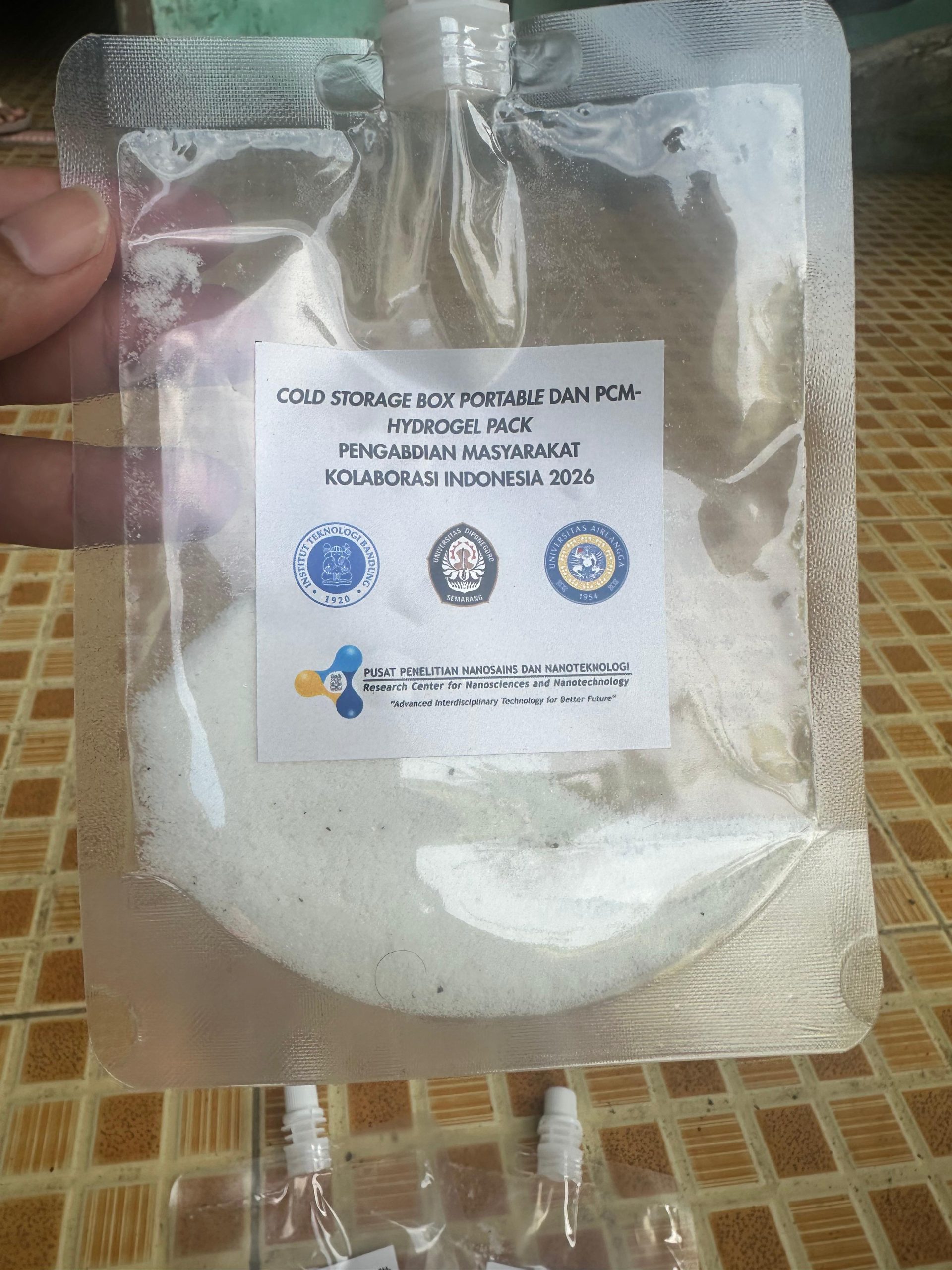
cold storage box (left) and PCM-Hydrogel Pack (right)
For Dr. Nor Basid, the activity demonstrated how chemistry, particularly materials-related research, can be directly connected to challenges in people’s daily lives.
“At university, we often discuss material properties, energy storage capacity, stability, and how materials can be engineered for specific functions. In Mentawai, these concepts directly meet a community need: how to keep fish catches in good condition,” said Dr. Nor Basid.
According to him, the challenge of community engagement is not simply ensuring that a material performs well. Equally important is ensuring that the technology can be implemented in a way that is appropriate for the users and their local conditions. For this reason, fishermen were not merely introduced to the cold storage box as a finished product. They also participated in demonstrations and hands-on activities involving the preparation of PCM panels and PCM-Hydrogel Packs.
“For us, the most interesting part is when knowledge that is normally discussed in the laboratory has to be translated into something that is easy for the community to understand. At that point, both lecturers and students learn to look at chemistry from a different perspective,” he explained.
Students Involved from the Beginning
The involvement of Muhammad Yusuf and Syerafina Caesari Putrie, both 2024 students of the Department of Chemistry, UNDIP, was part of an effort to provide students with opportunities to apply their academic knowledge beyond classrooms and laboratories.
Together with students from partner universities, they participated in the preparation of equipment and materials and assisted fishermen during practical sessions on the fabrication of PCM panels and PCM-Hydrogel Packs.
For Yusuf, the Mentawai program offered a valuable experience because it allowed him to directly observe how knowledge acquired at university could be applied to address community needs.
“During our studies, we learn many concepts and conduct practical work in the laboratory. In Mentawai, I could see directly that the materials we study can be developed into something whose benefits can be experienced by the community. This experience has helped me see chemistry from a broader perspective,” said Yusuf.
Meanwhile, Syerafina highlighted her direct interaction with the community as one of the most memorable aspects of the program. She noted that explaining technology to local communities requires a different approach from discussing scientific concepts in an academic environment.
“We learned that understanding the concept alone is not enough. When working with the community, we have to explain the process using simple language that is easy to understand. From this experience, I learned not only about chemistry but also about how to communicate knowledge so that it can truly be applied,” said Syerafina.
The program also provided opportunities for the two UNDIP students to work alongside students from ITB’s Master of Nanotechnology program and UNAIR’s Nanotechnology Engineering program. Their different academic backgrounds encouraged interdisciplinary discussions and allowed them to approach the same problem from multiple perspectives.
According to Dr. Nor Basid, experiences of this kind are important for students, even at the early stages of their university education.
“Students usually see materials from theoretical and practical perspectives. When they work directly with communities, they begin to understand who will use the technology, what conditions users face, and why a technology needs to be adapted to real needs in the field,” he explained.
For Yusuf and Syerafina, the journey to Mentawai was therefore more than simply an opportunity to participate in a community service program. It became an early experience in understanding how the role of chemistry students can extend beyond classrooms and laboratories.
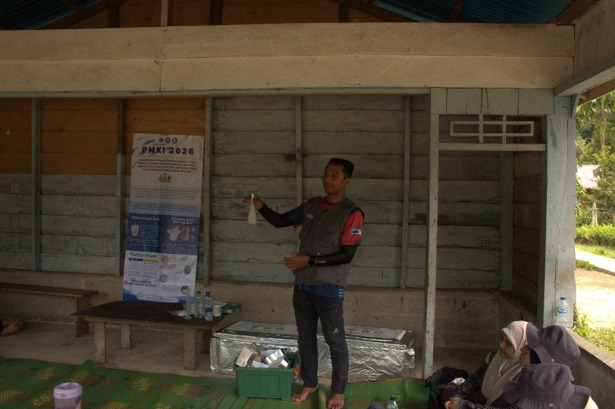
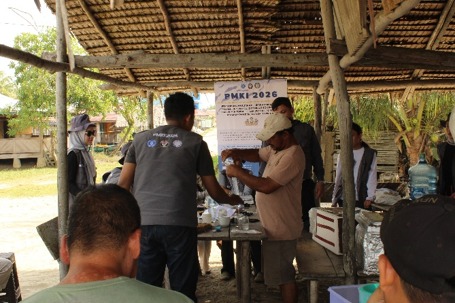
Presentation and hands-on explanation of the cold storage box and PCM-Hydrogel Pack, including the materials and fabrication process.
Collaboration among Three Universities
The 2026 PMKI program was a collaborative initiative involving ITB, UNDIP, and UNAIR. The program was led by Dr. Damar Rastri Adhika, S.T., M.Sc. from ITB, together with Nor Basid Adiwibawa Prasetya, S.Si., M.Sc., Ph.D. from UNDIP and Dr. Suhailah, S.Si., M.Si. from UNAIR.
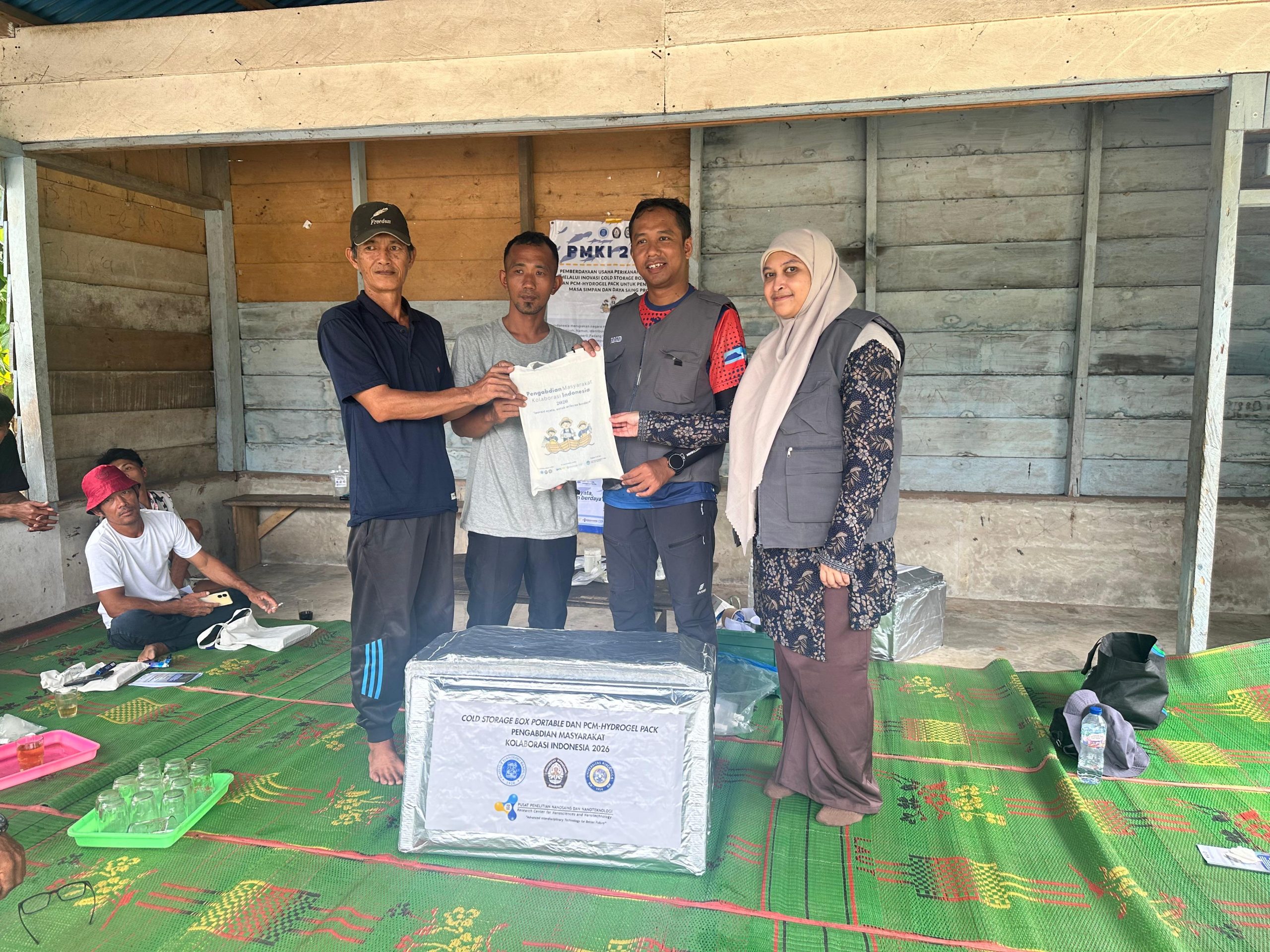
The program involved students from Nanotechnology at ITB, Chemistry at UNDIP, and Nanotechnology Engineering at UNAIR. This interdisciplinary collaboration enabled the technology to be approached from different perspectives, ranging from material development and characterization to practical implementation in the community.
As part of the program’s sustainability efforts, the team also handed over a cold storage box, along with supporting materials and equipment, to community representatives. The handover was intended to ensure that the technology introduced during the program could continue to be used after the community service activities had concluded.
For the Department of Chemistry, UNDIP, participation in PMKI 2026 reflects the close relationship between education, research, and community engagement. Knowledge developed by lecturers is not only applied to help address community challenges but also becomes a valuable learning environment for students involved in the program.
The experience in Mentawai demonstrated that chemistry is not merely about understanding materials, reactions, and characterization. It is also about translating scientific knowledge into practical solutions that can create meaningful benefits for society.