
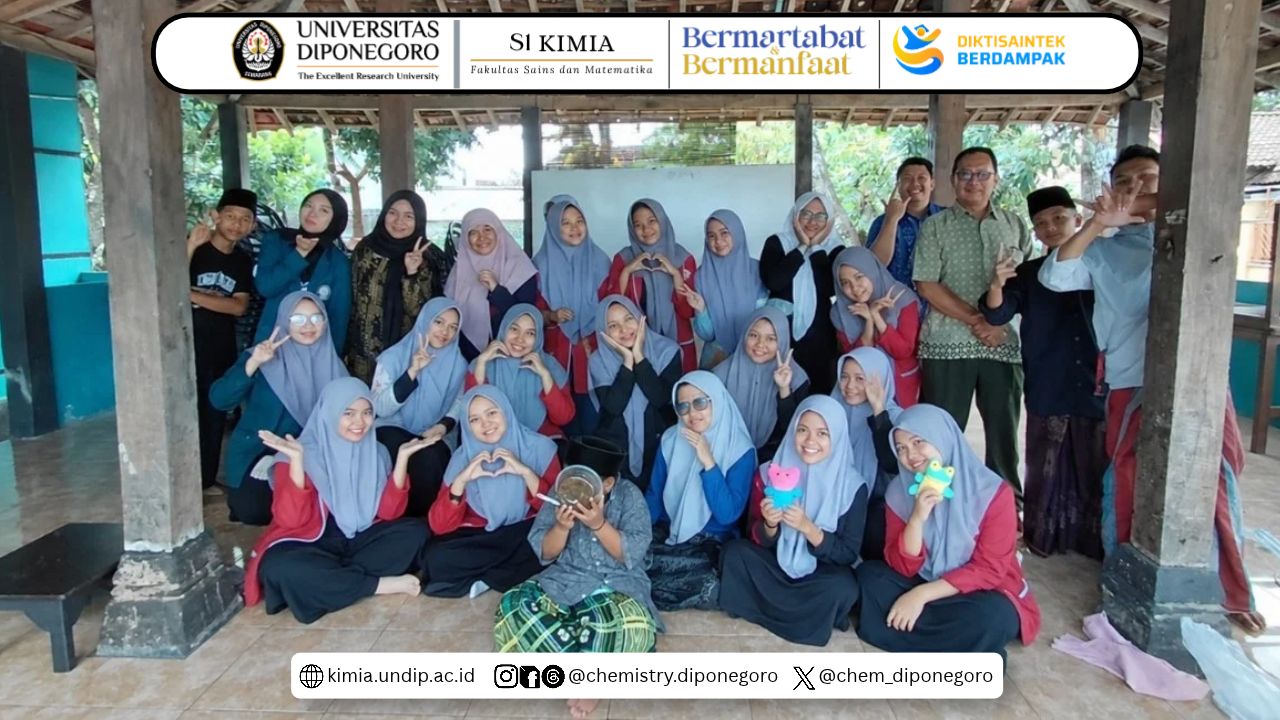
Sleman, August 5, 2026 — Efforts to promote food self-sufficiency and strengthen local resource-based economic development continue to be carried out by the Community Service Team of the Department of Chemistry, Faculty of Science and Mathematics, Universitas Diponegoro (UNDIP). On Wednesday, August 5, 2026, the community service team conducted a training session on processing catfish into floss at Pondok Pesantren Al-Mahbubiyah, Sleman.
The activity, entitled “Strengthening Food Security and the Economic Independence of Students through Catfish Floss Processing at PP Al-Mahbubiyah Sleman,” represents one of the university’s contributions to providing practical skills to the community, particularly within the pesantren environment.
The community service team consisted of Dr. Marcelinus Christwardana, Prof. Gunawan, Dr. Retno, Didik SW, M.Si., and Linda Suyati, M.Si.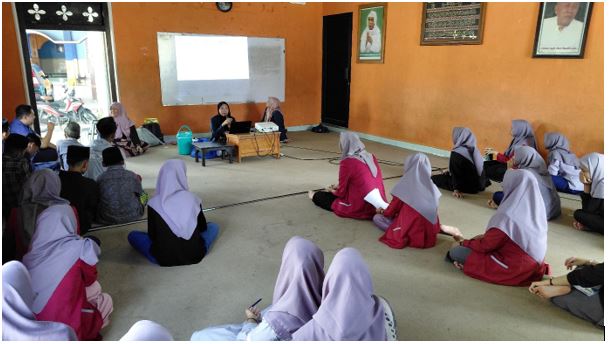
Through this program, the students gained knowledge about processing simple food ingredients into products with higher economic value. A total of 27 students and pesantren administrators actively participated in the series of activities, from the delivery of educational materials to hands-on catfish floss production.
Dr. Marcelinus Christwardana, head of the community service team, emphasized that food processing innovation is an important aspect of maximizing the use of resources available within the community.
“Catfish is a widely available commodity with significant potential to be developed into processed food products. With proper processing, this food resource can have a longer shelf life while also creating business opportunities for the students,” he explained.
During the training, participants first received an introduction to the characteristics of catfish, its nutritional content, basic catfish floss production techniques, as well as product packaging and marketing. The materials were designed to provide participants with a broader understanding that food processing is not only about production, but also about managing and developing products to increase their competitiveness.
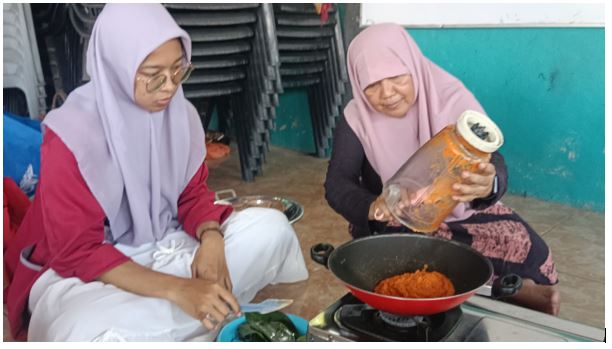
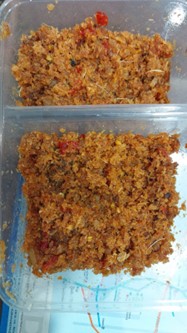
Following the instructional session, the activity continued with hands-on practice in making catfish floss. The students directly participated in each stage of production, including preparing the fish meat, mixing the seasonings, cooking the mixture to achieve the desired floss texture, and learning proper product storage techniques.
The hands-on approach made the training more interactive and applicable, allowing participants to directly connect the theoretical knowledge with the production process.
Throughout the activity, the participants also demonstrated strong interest in developing the product further. Several ideas emerged, including creating different flavors, improving packaging designs, and utilizing digital media to introduce the product to a wider audience.
The community service program produced positive results by increasing the students’ understanding of fish-based food processing, particularly the utilization of catfish. In addition to acquiring technical skills, participants also gained insights into opportunities for developing small-scale businesses based on food products.
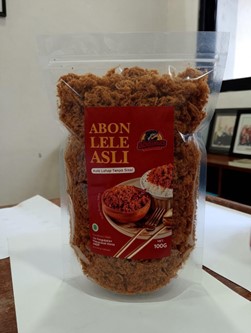
The community service team hopes that this activity will serve as an initial step toward developing a productive business unit within PP Al-Mahbubiyah Sleman. Through catfish floss processing, the students are expected to optimize the use of local resources, contribute to food availability, and create economic opportunities that can strengthen the self-reliance of the pesantren.
The activity also reflects the commitment of the Department of Chemistry, Faculty of Science and Mathematics, Universitas Diponegoro, to applying scientific knowledge through community-based programs that provide practical benefits and encourage sustainable local development.